
 Electric Fencing
10th May 2021
Electric Fence Design
These instructions from Thunderbird, an Australian manufacturer of Electric Fencing, will assist your fence design
Choice of systems – Ground earth return, or Earth Wire Return ?
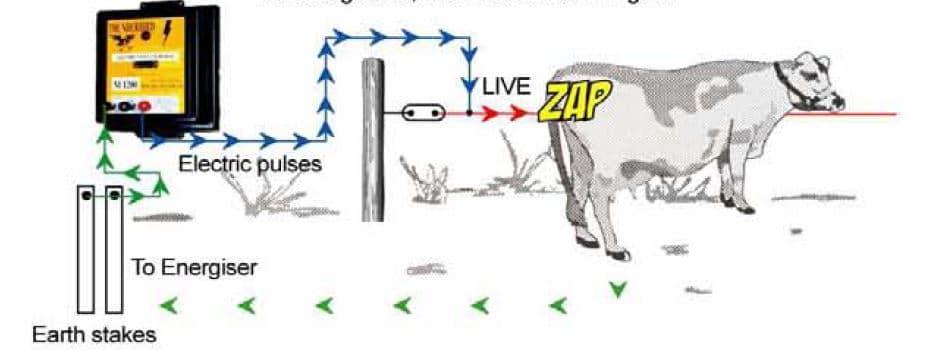
For temporary or strip grazing, with good soil moisture, a Ground earth system can be constructed. This has the earth via the ground only, where the pulse travels from the live wire through the animal and into the ground – and back to the energiser
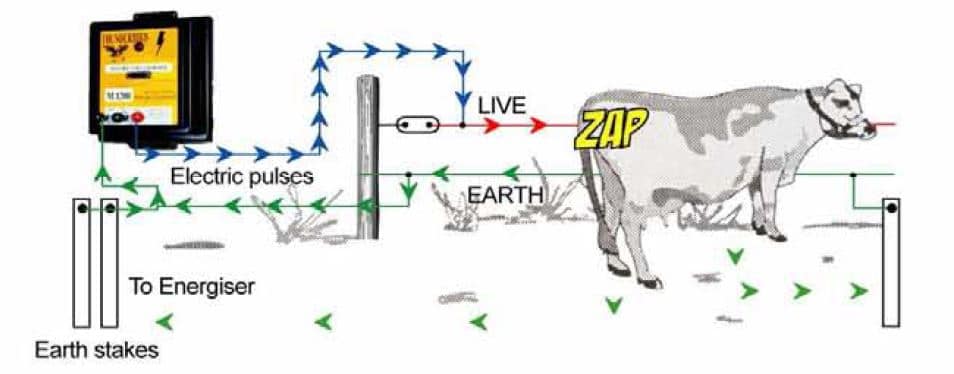
For all other applications we recommend using an Earth Wire Return system.
This allows for the animal to push against BOTH the live wire and earth return wire, to receive the electric pulse from the energiser.
This method overcomes the problem of poor pulse transmission due to poor electrical conductivity in the soil.
Post Spacing
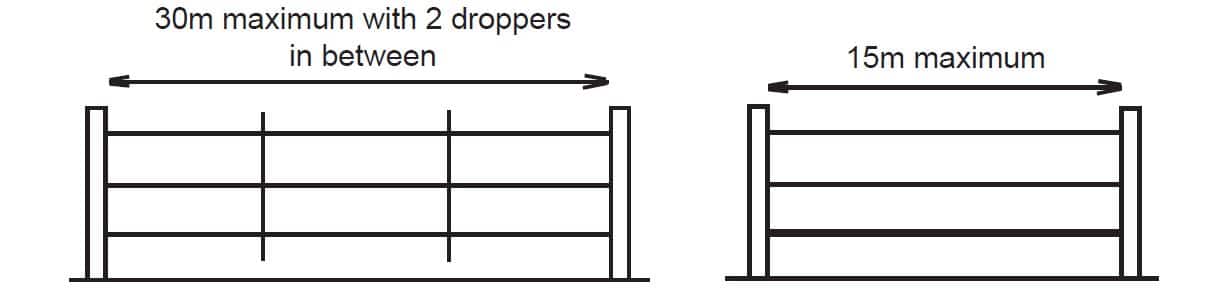
Post spacings can be further apart for electric fences. Below are the maximum recommended spacing for flat land. Distances will need to be reduced depending on the terrain.
Steel and wood posts require insulators for the live wires. There are a variety of insulators to choose from depending on the application.
Wire Spacing
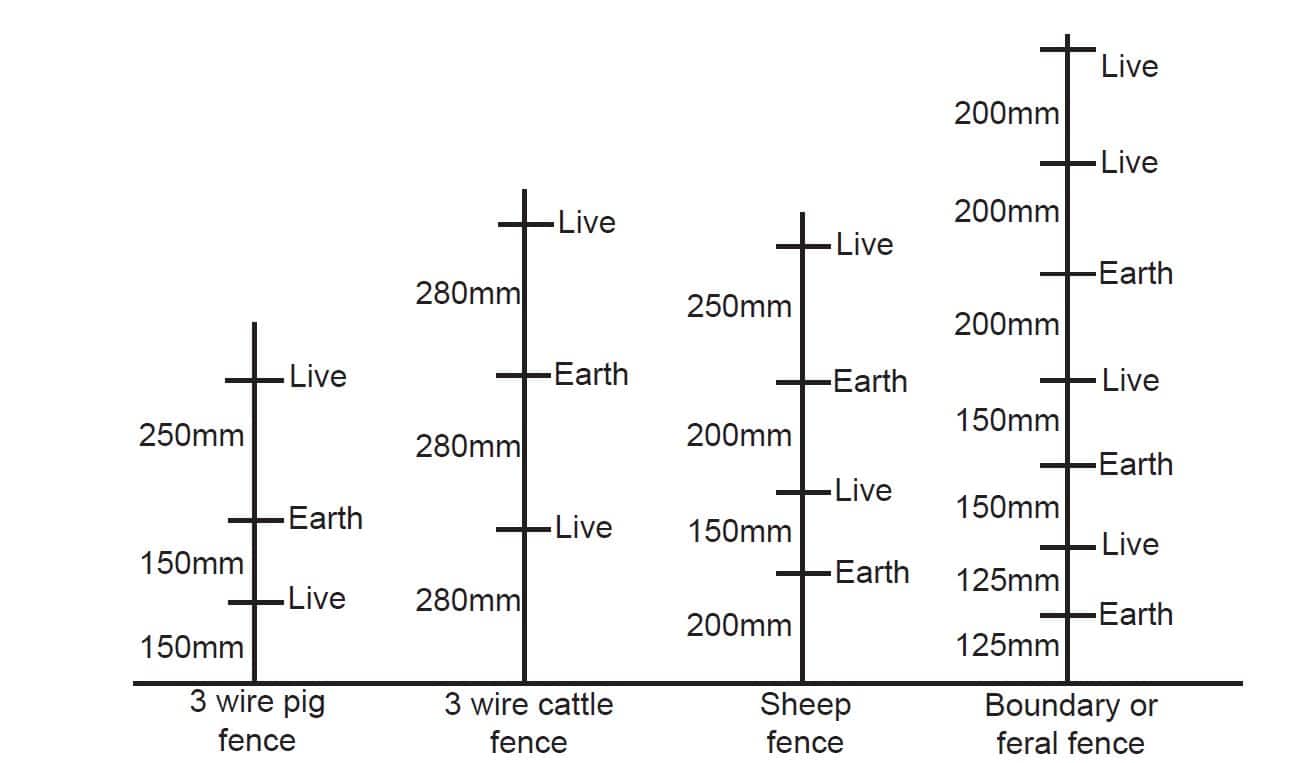
Wire spacings vary depending on the animal to be contained and other conditions. Live and earth wire spacings closer than 200mm apart will affect the distance that the energiser is effective due to capacitance between the wires.
Wires should be strained to around 90kg (200lb).
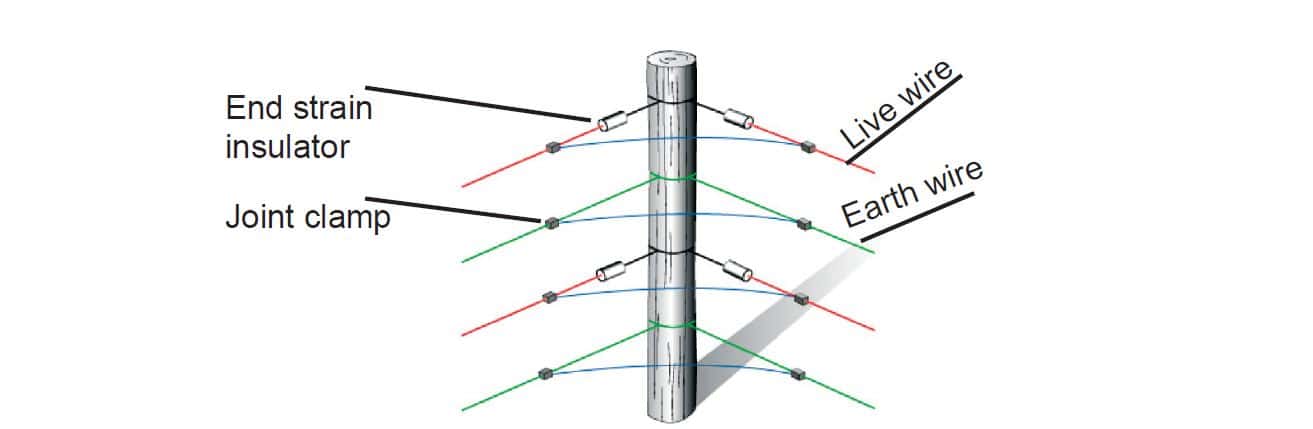
Multiple livewires and earth wires should be linked together at the start and ends of the fence and at gateways. Below are recommended spacings for different animals
Wire Size
Generally 2.5mm or 3mm galvanised wire will work well in most situations.
For large installations, the main feeder wire might need to be 4mm or 2 x 3mm wires in parallel over long distances.
1.6mm wire is OK for small areas, but can be hard to see.
Most poly wires and poly tapes are only suitable for short distances.
Upgrading Existing Fences
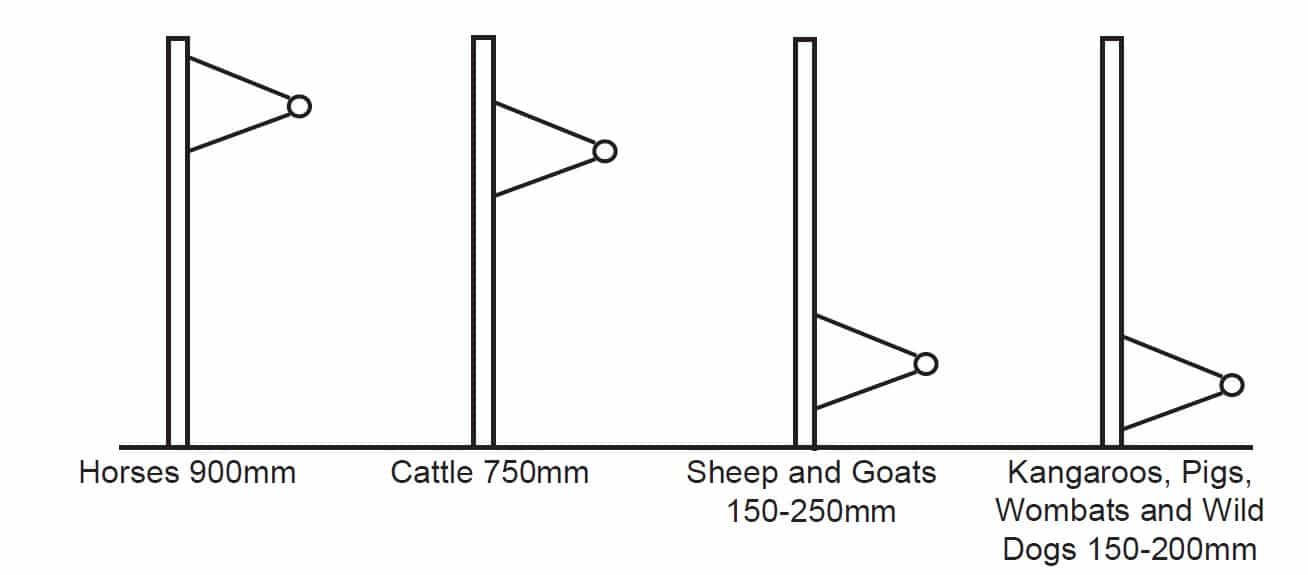
Offset insulators are used to attach electric fence live wires to existing fences. They will extend the fence life and reduce damage due to stock.
They can be installed on 1 or both sides of the fence.
The existing fence must be earthed. Below are recommended offset heights.
Fence Corners
Live wires should not be touching wood posts, as the wood can conduct electricity to the ground in wet weather.
Below is the recommended way of taking electric fence wires from one side of the paddock to the next.
Earthing
Good earthing is just as important, if not more important, as the live wire.
The earth system must conduct the electricity back to the energiser in order for the animal to receive a shock.
Things to keep in mind are:
- Earth stakes must be driven at least 1.5m into the ground.
- Only use galvanised or stainless steel earth stakes.
- Do not use copper or tar covered fence posts.
- Electric fence earth stakes must be a minimum of 10m from any existing electrical or communication earthing.
- Position earth stakes in a permanently moist area if possible.
- Earth return wires in the fence are required for good earthing.
- Ground return earthing is only suitable for strip grazing with moist soil
Gateways
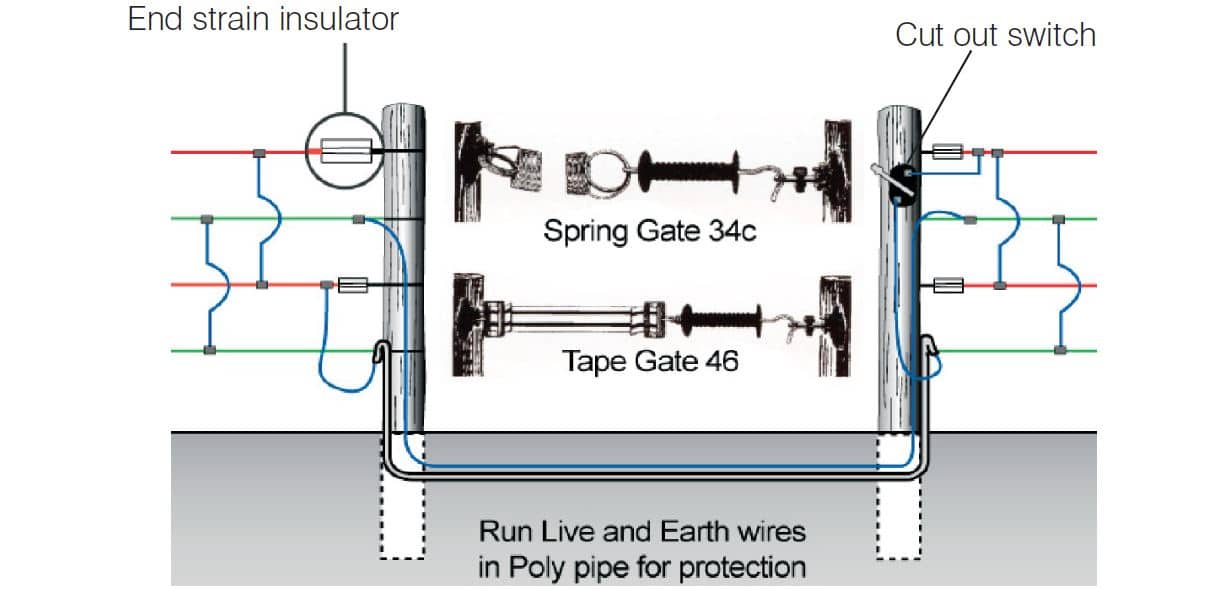
Electric fence cables that need to cross a gateway can be buried underground. Use double insulated underground electric fence cable for both live and earth wires and run inside poly pipe for protection. The cables should be buried 300mm underneath the ground.
Do not put both live and earth wires in the same pipe. The ends of the poly pipe should be bent over to face the ground so that rain doesn’t fill the pipe.
It is highly recommended that a cut out switch be used in the live wire supply side entering the pipe so that it is easier to locate a fault should a short occur under ground.
- A minimum of 1 earth stake is required at the energiser for power levels below 1.5 joules, 2 earth stakes for power levels below 4 joules, and 3 earthstakes for power levels above 4 joules.
- Additional earth stakes are required every 1.5km along a fence.
- Use wire joint clamps to connect the earth stakes to non-electrified wires and to any existing fences.
This is a typical gateway installation.
Signage
Electric fence warning signs must be placed at regular intervals along electric fences where there is a possibility of the general public coming into contact with the fence.
In situations where the fence runs parallel with or crosses over a public road, or where the fence comes in proximity to a public pathway – warning sign must be placed both sides of the road where an electric fence crosses the road.

